· 1 min read
Welcome to TopRomanFacts.com
Historical literacy is vital, but learning about the Romans doesn’t have to be cliché.
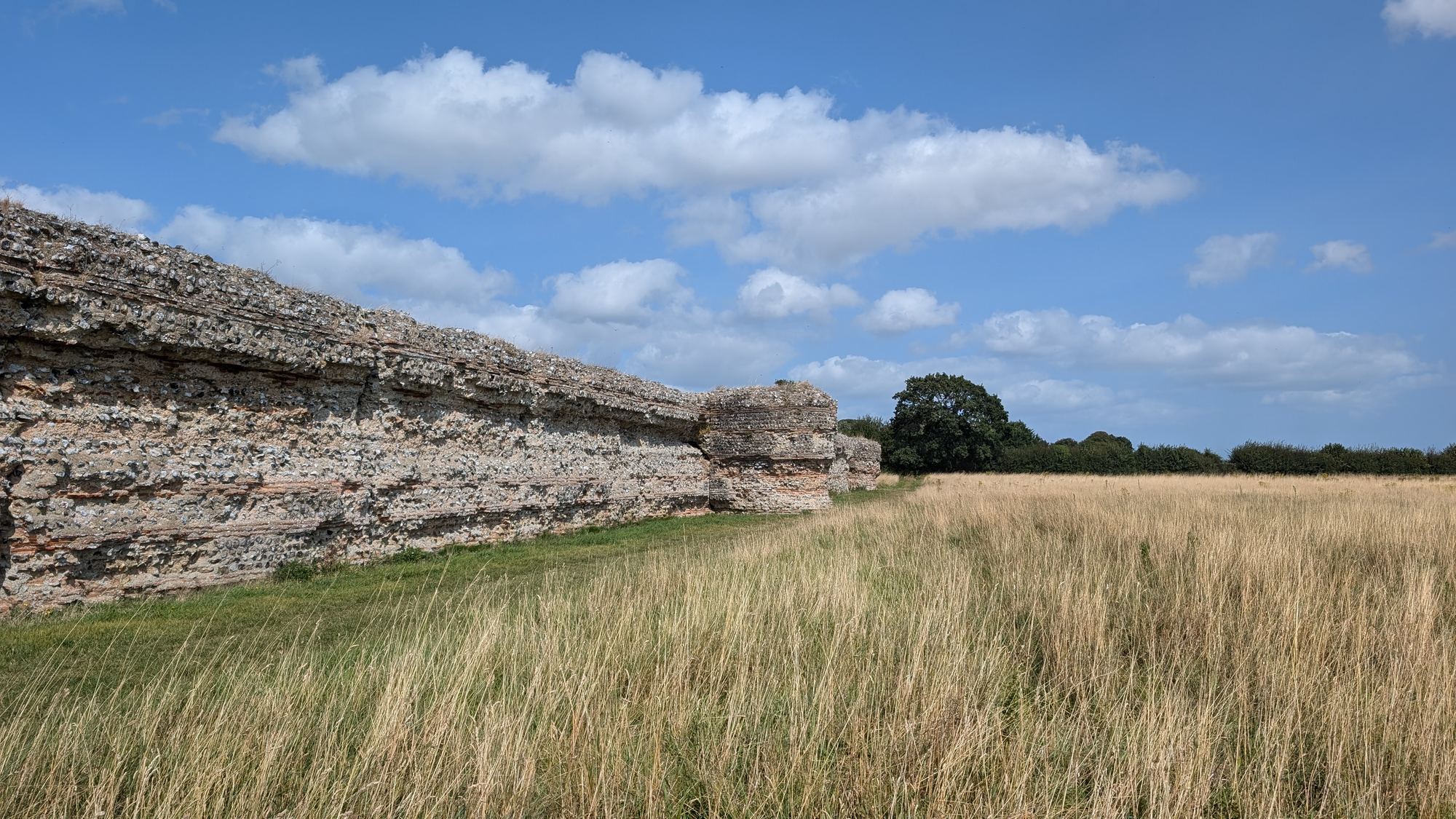
A few years ago, I was wandering around the ruins of Burgh Castle Roman fort. It probably ranks among the most redundant names of all time. Burgh: a fortified place. Castle: a fortified place. Roman fort: you get the idea.
A family with young children were exploring the ruins too, marvelling in our shared history and imagining what life must have been like. A curious boy asked his father,
“Why are there holes in the wall?”
If you watched my video on the matter, you would of course know that it was because later folk quarried the wall for other projects, notably the nearby church. Roman building material was good like that, it was recyclable!
The dad said to his son,
“That’s where the cannon balls hit the wall when the castle was under attack.”
It’s a very fun idea. I reckon the son remembers it fondly. Perhaps the dad was telling a little joke, or perhaps he really did think that the fort/burgh/castle really did meet that fate (it didn’t).
Learning about archaeology enables you to read ruins like you might a book. The more you read, the more you understand. There’s no need to talk endlessly about the Colosseum or Julius Caesar, the reuse of Roman fort building material can be genuinely insightful. That’s what I hope to share here on my blog, and in my videos.
Please enjoy this video talking about a rather preciously tilting section of Burgh Castle Roman Fort. I have since been reliably informed that locals pronounce it buh-ruh, not bur. Thank you, Burgh locals!
